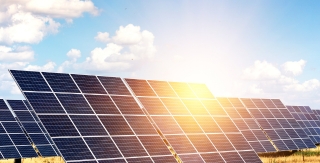
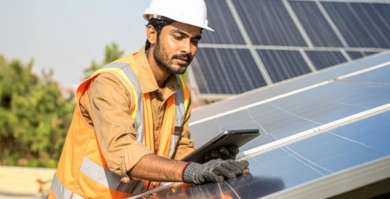
Residential solar refers to rooftop solar systems installed on homes to generate clean electricity for daily use.

Everything you need to know about solar plants, installation, savings, and care
Invest in commercial solar power to secure long-term energy savings, improve operational efficiency, and strengthen your sustainability goals.
Frequently Asked Solar Questions
Residential solar refers to rooftop solar systems installed on homes to generate clean electricity for daily use.
A typical 1 kW system requires approximately 80–100 sq. ft. of shadow-free roof area.
Yes, with battery backup or hybrid systems, solar can supply power during outages.
A commercial solar power plant is a solar installation designed for businesses, factories, offices, and institutions to generate electricity for their operational needs, helping reduce energy costs and dependence on grid power.
Businesses can typically save 30% to 70% on electricity costs, depending on system size, energy consumption, and the selected funding model. Savings increase over time as grid tariffs rise.
Commercial solar projects can be implemented through:
Most commercial rooftop solar installations are completed within 4 to 8 weeks, including design, approvals, installation, and commissioning. Timelines may vary based on project size and site conditions.
Commercial solar plants require minimal maintenance, mainly periodic panel cleaning, system monitoring, and routine inspections. With proper O&M, systems perform efficiently for 25 years or more.